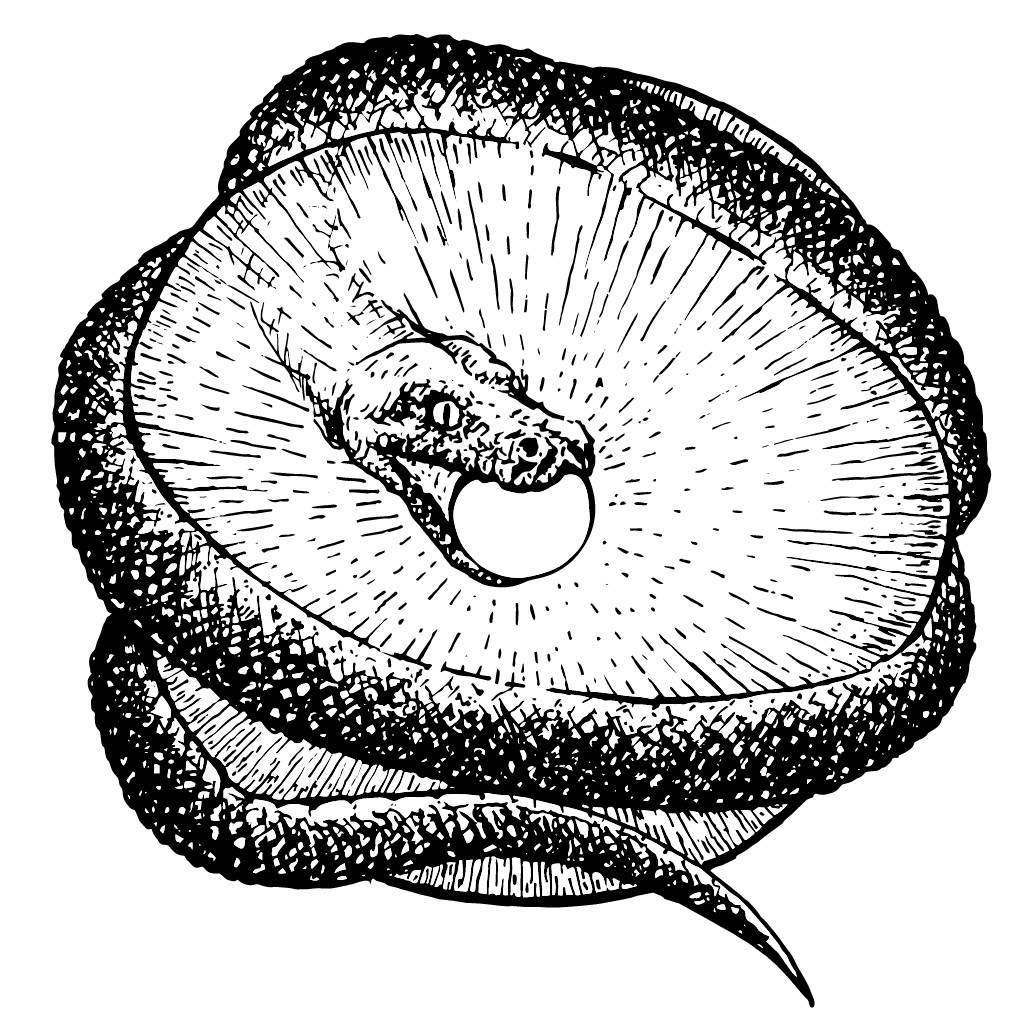
«Precision does not reinforce reality; it works against it.»
1 Jünger says it in relation to mathematics «as a product,» not to mathematics as part or partial description of our genius.
2 How can sensory perception be imaginative if «the senses do not lie”?
3 Precision for relations; in toto, «the eternal return» is better. Perhaps «there is nothing rarer than a genius clown»1, but both he and something better achieved are indistinguishable from each other, since they are assembled out of forces running from the whole to the point. In toto the whole is seen better by accepting, by carrying out the experiment of taking on this moment forever, «supreme affirmation»2. If what one wants is to see the relation between parts, then yes, precision: that the earth revolves around the sun is precise.
The whole is experienced at the final reckoning; this differentiates people in their rank. Death may always be unsettling; what defines rank is whether or not a person has accepted that they are going to die.
Human superficiality is based on not having accepted it; so one has to put up with them pretending they are immortal, as can be seen in every ego-driven person, in everyone who guards their own position too carefully, with a short-term utilitarianism, in the lack of greatness.
The lack of greatness is based not on the unsettling nature of death—but on its complete denial.
Perhaps the lack of greatness is based on a precise denial of death.
4 The lack of restraint in those who refuse to accept that they are going to die is unpleasant—which is most people, and the hallmark of all vulgarity; that majority likes to think that the fact that death unsettles us all justifies their refusal to accept it, even that mastering that unease is worth more than accepting death.
The vulgar person refuses to accept death with great precision, is sealed off from it, and, if his refusal were less precise, he would be a nobler person. By contrast, the noble person knows that we all move through life «as hunters and as game.»3
Whoever has not accepted death, the coward, falls silent before it. Nor is courage enough to accept death naturally; for that one has to «overcome things on a higher plane.» It isn’t enough simply to wait; it isn’t enough simply not to look it in the eye.
References
- Ernst Jünger — La Tijera
- Friedrich Nietzsche
- Ernst Jünger — La Tijera
- Ernst Jünger — La Tijera, Af. 98.
«Precision does not reinforce reality; it works against it.»