1 The apologetic multiplies the timeless, that is: it is potentiating by nature. The longer it waits, the greater its potency will be; hence the shame felt both by the one who delays in answering and by the one awaiting the answer.
Is it because —by that—(the second is apologetic, a timeless emphasis) translations exist, that is, the discrete, errors? because that abyss exists, making deception possible, making things seem the same when they are not, the difference between appearance and truth?
This means: there is no quantum plane and classical plane; the potential, the power, personal force, one has it and makes it grow and strengthens it through that waiting.
Put another way: gravity is not something from the beginning or something from the end; it is a dynamic that tightens as one waits, and as one waits power grows through the multiplication of the timeless.
Error is only an interregnum during the tension of the bow, an interregnum during the growth of force and potential.
Does error not have much to do with the origin and the right outcome; perhaps it does not affect them, is it only an intermediate experience of one who failed to take them into account?
2 The dynamics of eternal return and gravity, of rarefaction, precision and symmetrical transparencies, are part of the gradual tightening of the bow; the power that accumulates in that interregnum depends on time, on how much time we give to that by-that (by-that is multiplying by the that, how far we distance-tighten with the timeless-that); the interesting thing about this is that it gives us a formula for producing power…
By separating one from the other, the by (multiplication) from the that (timeless figure), the bow tightens, the potential grows, the power will become visible.
3 It is not multiplication that gives power, but the separation of multiplication and the timeless; as they are separated, the tension of the bow increases. Doesn't something similar happen with quarks?
4 Thought is quantum. Whoever is not aware of this experience lives better than they think and thinks worse than they live.
The childish letter written by the Fields Medal winners shows that not even they are aware of this experience. Artificial intelligence will force everyone to stop ignoring it. The bow is tightening; sooner or later the spiritualization of the Earth will take place.
Between potential and power, mathematics does not show the way: power is the success of potential; this is what mathematics has said so far.
Seen this way, mathematics is a success, it is only a product; the result is not obtained by raising the character to a power, by indicating (index) how many times it will be multiplied, but through a dynamism that separates and, in separating, tightens the bow.
5 If the aim is to get beyond a certain value, we verify this by the result.
2 x 2 = 4, but if we don't reach 4, if we fall short at 3, then what we're doing is not 2 x 2, no matter how well we think we're doing things; if we don't reach four, the because is not 2 x 2. This gets even more confusing when the person achieves brilliant things and still doesn't reach 4.
6 Children go through a stage when they won’t stop asking why; what they are not asking there is by what. This happens because children are closer to the gods’ let-there-be; their innocence assumes they don’t have to be apologetic, that there is no «by what» to wait for, they want to establish facts. By what is aimed at making potential grow; because, at making potency grow.
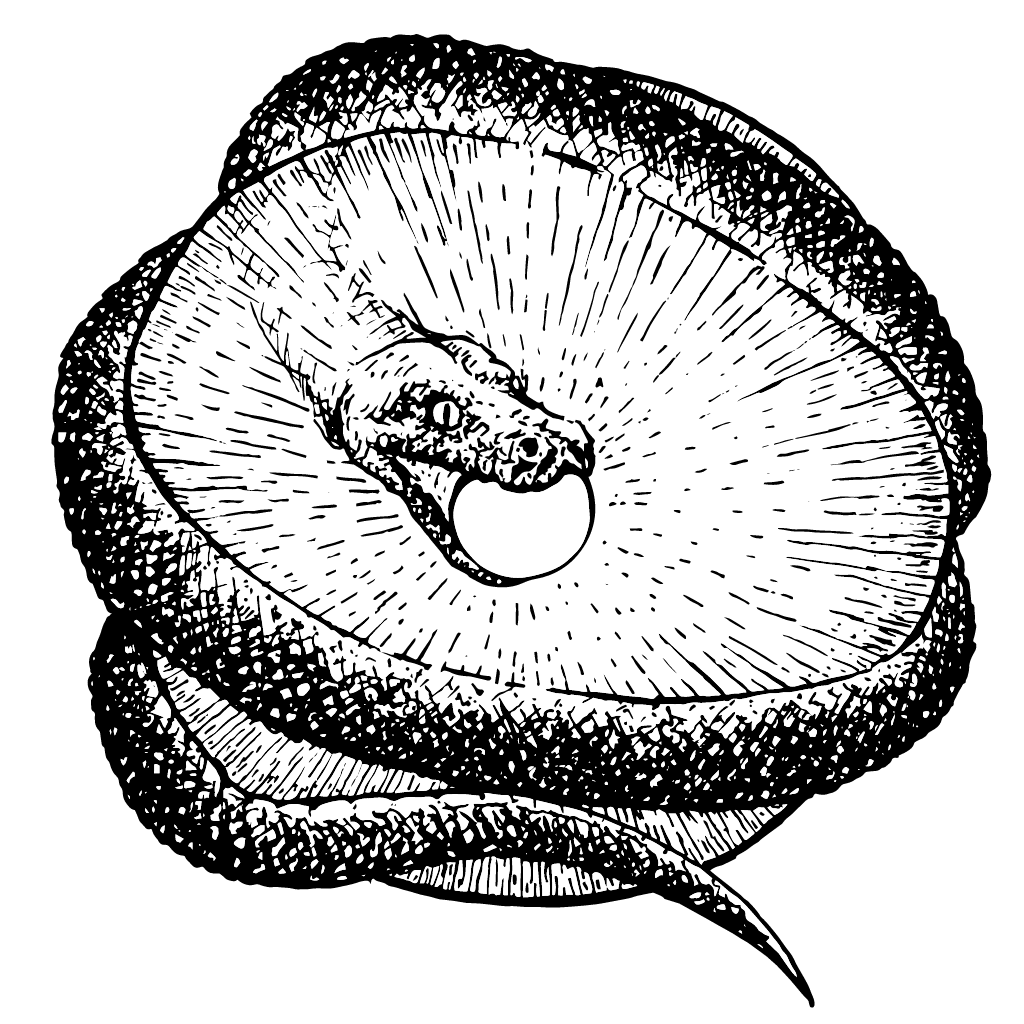
“What the sword is to Alexander the Great, the polished shield with which he reflects the dreadful image is to Perseus. That sword and that shield are weapons of consciousness, which is what breaks the telluric compulsion. With the slaying of the serpent, the path of the truly powerful man begins in the West: that is, of the man endowed with mythical powers. By killing a serpent, Heracles proves, even in the cradle, that he is a prince.”
References
- Ernst Jünger — El nudo gordiano
What the sword is to Alexander the Great, the polished shield with which he reflects the dreadful image is to Perseus. That sword and that shield are weapons of consciousness, which is what breaks the telluric compulsion. With the slaying of the serpent, the path of the truly powerful man begins in the West: that is, of the man endowed with mythical powers. By killing a serpent, Heracles proves, even in the cradle, that he is a prince.